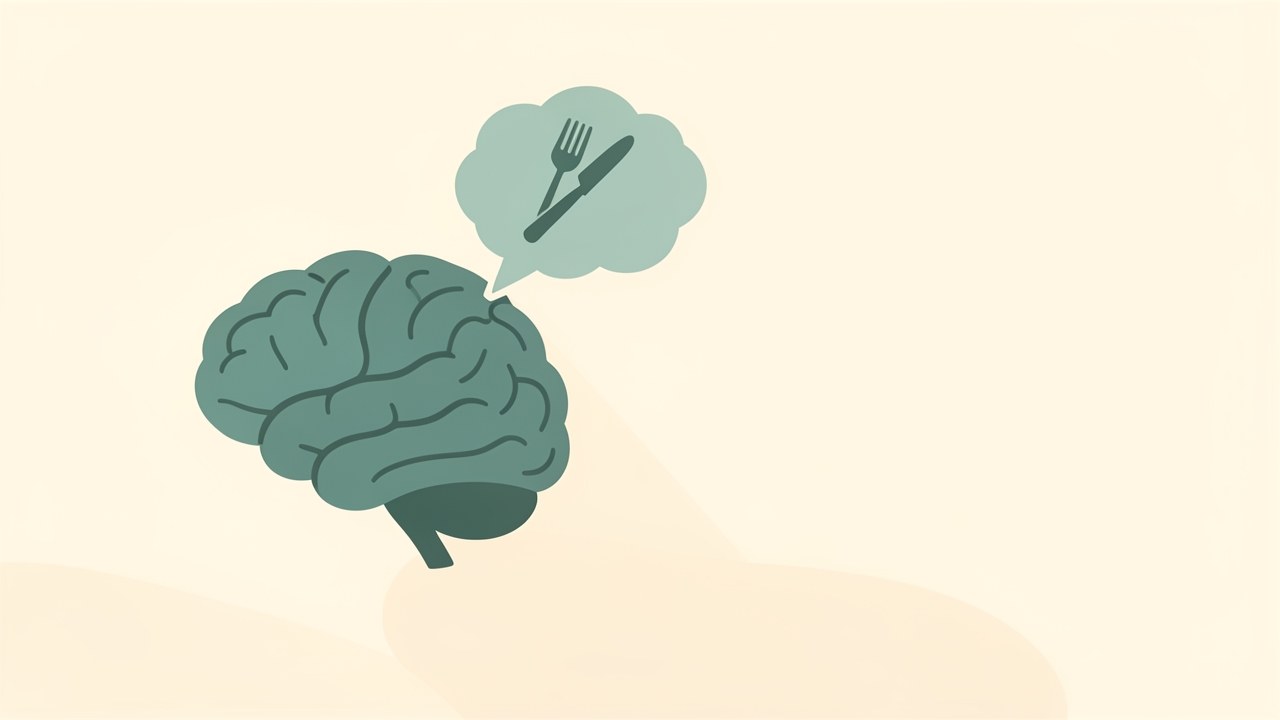
Understanding Why You Feel Hungry
When you start intermittent fasting, hunger pangs are a common hurdle. Your body is used to eating at certain times, and it responds by releasing ghrelin, a hormone that signals hunger, right before your usual meal times. This is why you might feel a wave of hunger just at the thought of lunch, even if you aren't truly in need of food.
As you consistently fast, ghrelin levels can decrease, and your body adapts to the new eating pattern. However, the timeline for this adaptation varies. Fasting also affects leptin, the hormone that helps you feel full, which may initially drop as you lose body fat. Remember that your brain and body need time to adjust, and hunger is often a temporary signal rather than a command.
- True physical hunger builds gradually and can be satisfied with any food.
- Emotional cravings are sudden, specific (like for sweets), and often tied to stress or boredom.
- Learning to tell the difference helps you decide whether to eat or use a craving distraction technique.
Sources: American Heart Association News
Hydration Strategies to Reduce Appetite
Drinking enough water is one of the simplest ways to curb hunger. Sometimes thirst masquerades as hunger, so when a craving hits, reach for a glass of water first. Staying well-hydrated throughout the day can help you feel fuller and avoid unnecessary snacking.
During your fasting window, you can also enjoy zero-calorie beverages like black coffee, green tea, or herbal tea. These can help manage hunger without breaking your fast. If you're doing a longer fast, some people find that adding a pinch of salt to water helps with fatigue, but this isn't a substitute for balanced electrolytes and should be approached cautiously.
- Keep a water bottle handy and sip regularly throughout the day.
- When a sudden craving appears, drink a large glass of water and wait 20 minutes.
- Swap sugary drinks for unsweetened tea or coffee to avoid insulin spikes that can trigger hunger.
Sources: ProMD Health, Fairview Rehab
Choosing Satiating Foods in Your Eating Window
What you eat when you break your fast matters for how you'll feel during the next fasting period. A meal rich in protein and fiber, with healthy fats and low-glycemic carbohydrates, can keep you satisfied for hours. Protein is particularly effective at increasing satiety, while fiber adds bulk and slows digestion, preventing blood sugar spikes and crashes that lead to hunger.
If you're following a method like 16:8, which involves a longer fasting window, you may need to be more deliberate about the composition of your first meal. Break your fast slowly and mindfully with a nutrient-dense meal, and always eat until you're comfortably full, not stuffed, to avoid discomfort and rebound hunger.
- Include a source of protein at each meal, such as chicken, fish, tofu, or beans.
- Add a variety of non-starchy vegetables for fiber and volume.
- Incorporate healthy fats like avocado, nuts, or olive oil to promote fullness.
Sources: ProMD Health, American Heart Association News
Behavioral Techniques to Distract from Cravings
Hunger during a fast isn't always physical. When a craving strikes, ask yourself if you're truly hungry or just bored, stressed, or tired. If it's not genuine hunger, engaging your mind and body can help the urge pass.
Simple activities like going for a walk, calling a friend, reading, or working on a project can shift your focus. Even deep breathing or grounding exercises can help you ride out a wave of craving. Mindfulness practices, including eating slowly and savoring each bite during your eating window, also help you feel satisfied with less food.
- Start a hobby or activity that keeps your hands busy.
- Practice 'urge surfing' – notice the craving without acting, and let it pass.
- Create a list of rewarding, non-food activities to turn to when hunger isn't real.
Sources: ProMD Health, Fairview Rehab
Using Fiber and Protein to Your Advantage
Two nutrients deserve special attention when it comes to managing hunger: fiber and protein. Fiber-rich foods add volume to your meals, stretch your stomach, and slow down digestion, keeping you full longer. Soluble fiber, found in oats, beans, and apples, also helps stabilize blood sugar, preventing cravings from energy crashes.
Protein is the most satiating macronutrient. It triggers the release of fullness hormones and takes more energy to digest. Studies suggest that a higher-protein diet can reduce ghrelin and make you feel fuller between meals. If you find yourself ravenous during fasting windows, consider increasing protein at your previous meal. If you're eating a higher-protein diet, make sure to drink plenty of water.
- Include a source of protein in every meal and snack: eggs, Greek yogurt, legumes, or lean meats.
- Add chia seeds, ground flaxseed, or vegetables to boost fiber intake.
- Pair protein with fiber to create a satisfying meal that won't leave you hungry an hour later.
Sources: ProMD Health, American Heart Association News
Sleep, Stress, and Hunger Connection
Your sleep quality and stress levels have a direct impact on your hunger hormones. Lack of sleep increases ghrelin and decreases leptin, making you feel hungrier and less satisfied after meals. Aim for seven to nine hours of quality sleep per night to keep hunger hormones in balance.
Chronic stress raises cortisol, which can stimulate appetite and drive cravings for high-calorie foods. During a fast, stress can make you more likely to give in to emotional eating. Finding ways to manage stress—like exercise, meditation, or hobbies—can help you stick to your fasting schedule without feeling deprived.
- Establish a regular sleep schedule and create a relaxing bedtime routine.
- If you're in your eating window, choose nutrient-dense foods after a poor night's sleep; if fasting, use distraction and hydration techniques.
- Use stress-reduction techniques such as deep breathing, yoga, or a short nap to lower cortisol.
Sources: ProMD Health
When to Seek Medical Advice for Extreme Hunger
While hunger is a normal part of fasting, especially in the beginning, it's essential to recognize when it's a signal to stop. If you experience extreme hunger accompanied by dizziness, shakiness, or trouble focusing, you should break your fast with a healthy meal. These symptoms could be due to low blood sugar, and pushing through could put you at risk.
Certain medical conditions may require you to avoid fasting altogether. If you have a history of eating disorders, diabetes, heart problems, or are pregnant or breastfeeding, consult a healthcare professional before starting intermittent fasting. They can help you determine if fasting is safe and guide you on a plan that meets your needs.
- Break your fast if you feel dizzy, lightheaded, or unusually weak.
- Never ignore symptoms of low blood sugar, such as shakiness or confusion.
- Talk to a doctor if you have a chronic condition or take medication that may be affected by fasting.
Sources: Fairview Rehab, American Heart Association
Fasting Methods and Their Hunger Curve
Different fasting schedules can affect hunger differently, especially when you're just starting. Some methods are gentler and allow your body to adapt gradually. The table below summarizes common approaches, based on how they are generally tolerated.
Choosing the right method is about finding a balance between achieving your goals and managing hunger. If you struggle with 16:8, switching to 14:10 doesn't mean failure—it means you're listening to your body.
If you have existing heart conditions or other health concerns, consult a healthcare provider before starting a time-restricted eating plan.
| Method | Fasting Window | Eating Window | Typical Hunger Difficulty |
|---|---|---|---|
| 12:12 | 12 hours | 12 hours | Minimal – easiest for most beginners |
| 14:10 | 14 hours | 10 hours | Mild – gentle progression from 12:12 |
| 16:8 | 16 hours | 8 hours | Moderate to challenging at first as hunger hormones adjust |
Sources: ProMD Health, American Heart Association
Frequently asked questions
Does hunger go away after adapting?
For many people, yes. As you continue with intermittent fasting, your body's hunger hormone ghrelin may decrease, and you become more accustomed to the new eating pattern. Some evidence suggests that after a few weeks, hunger may often improve. It's not universal, but significant reduction is common.
Sources: ProMD HealthIs it normal to feel very hungry at first?
Yes, it's completely normal to feel intense hunger when you first start fasting. Your body is used to a certain pattern, and it takes time for your hunger hormones to adjust. This is why gradual approaches like starting with 12:12 and working up are often recommended. The hunger typically subsides as you adapt, so don't give up if the first few days are tough.
Sources: ProMD Health, Fairview RehabCan drinking salt water help with hunger?
There is limited anecdotal evidence that a pinch of salt in water can reduce hunger during longer fasts, possibly by helping with electrolyte balance and reducing fatigue. However, this is not a widely studied or universally recommended strategy. For most people, plain water is sufficient. If you have high blood pressure or kidney issues, adding salt without medical advice could be harmful.
Sources: Fairview RehabWhat should I eat to feel fuller during eating windows?
To feel full longer, emphasize protein and fiber in your meals. Include lean meats, eggs, beans, and vegetables, and add healthy fats like avocado or nuts. Also, choose low-glycemic carbohydrates like sweet potatoes and whole grains over refined carbs. These choices help stabilize blood sugar and keep you satisfied through the fasting window.
Sources: ProMD HealthSources
- Managing Hunger While Fasting: 12 Winning Strategies — ProMD Health
- 8-hour time-restricted eating linked to a 91% higher risk of cardiovascular death — American Heart Association
- Time-restricted eating may raise cardiovascular death risk in the long term — American Heart Association News
- Starting Intermittent Fasting & Managing Hunger — Fairview Rehab