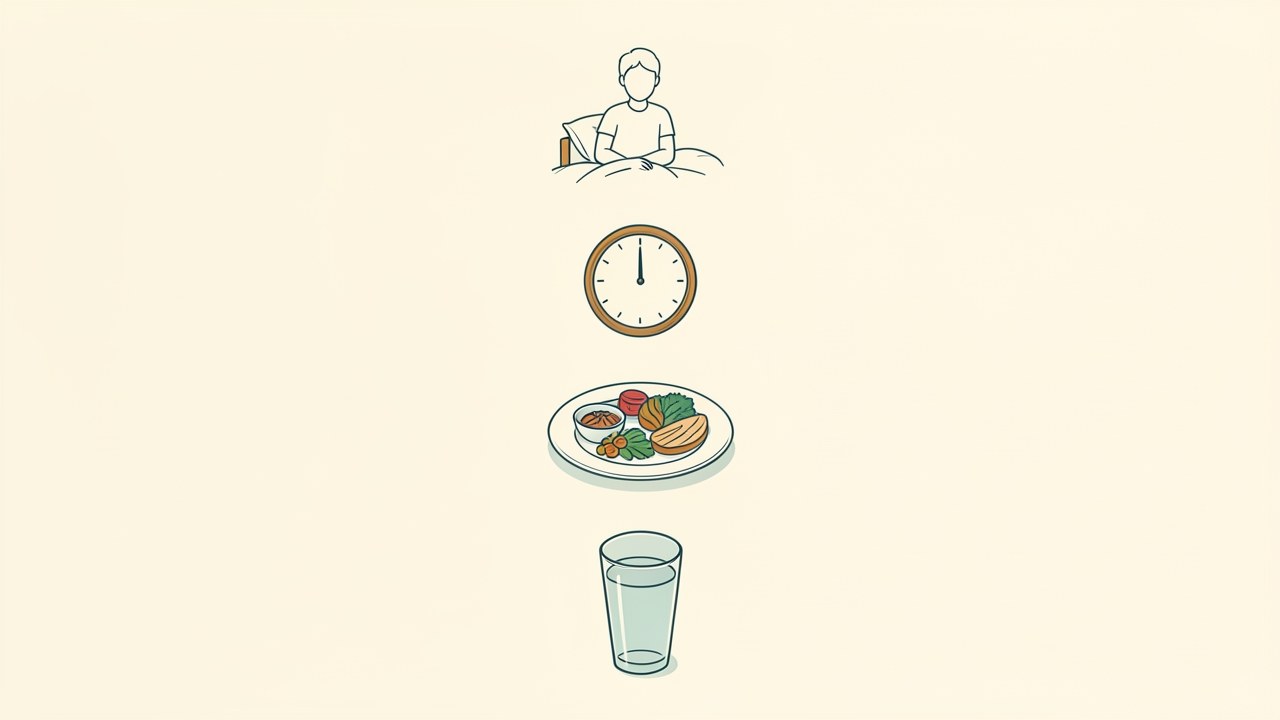
Assess Readiness and Set Goals
Before you begin intermittent fasting, it's important to consider whether it fits your lifestyle and health status. Talking with a health care professional is a key first step, especially if you have underlying health conditions or take medications that could be affected by changes in meal timing.
Set clear, realistic goals. Are you hoping to support healthy weight management, simplify your eating schedule, or improve your relationship with food? Knowing your 'why' helps you choose a plan you can maintain. Remember that intermittent fasting is not a one-size-fits-all approach, and your success depends on finding a routine that works for you.
- Talk to your health care provider before starting, especially if you have a medical condition or take medication.
- Identify your personal motivations and define what success looks like beyond the scale, such as more energy or better meal structure.
- Be honest about your daily schedule and social commitments to choose a fasting schedule you can stick with.
Sources: Northwell Health
Choose a Fasting Method That Fits Your Life
There are several intermittent fasting approaches, and the best one is the one you can maintain long term. The 16:8 method (fasting for 16 hours, eating within an 8-hour window) is popular, but beginners might start with a longer eating window and shorter fast, such as 12:12.
Your choice should align with your daily routine. If you're not a breakfast person, skipping breakfast and having your first meal at noon might work naturally. If you prefer to eat breakfast and finish dinner early, you might choose a schedule that ends eating in the early evening. The key is to select a schedule that feels realistic and not overly restrictive.
- Consider your natural hunger patterns: when do you usually feel hungry?
- Think about social meals and family dinners—does your schedule allow for flexible timing?
- Keep in mind that longer fasting windows are generally harder to maintain, so start conservatively.
Sources: Northwell Health
Start Gradually: Ease Into Longer Fasts
Rather than jumping into a 16-hour fast right away, begin with a 12-hour fasting window. For most people, this simply means eating dinner a bit earlier and delaying breakfast the next morning. As your body adjusts, you can gradually lengthen the fast toward your target schedule.
This gradual approach helps minimize hunger and other temporary side effects as your body adapts to using stored energy during fasting periods. It also gives you time to learn how your body responds, letting you adjust before committing to a stricter routine.
- Start with 12 hours of fasting (e.g., 7 PM to 7 AM).
- After a few days, add one extra hour of fasting every couple of days until you reach your goal.
- Longer fasts may become more tolerable with gradual adjustment, but research suggests longer fasting periods are generally harder to maintain.
Sources: Northwell Health
Plan Meals and Hydration
What you eat during your eating window matters, especially when you break your fast. Choose nutrient-rich whole foods like lean proteins, vegetables, fruits, whole grains, and healthy fats. Avoid processed foods, sugary snacks, and excessive calories, which can spike your blood sugar and lead to crashes.
During fasting periods, you can drink plenty of water, herbal teas, or black coffee. These beverages can help manage hunger and keep you energized without breaking your fast, as long as they contain no added sugar, cream, or other caloric additives. Staying well-hydrated is crucial, as thirst can sometimes feel like hunger.
- Aim for balanced meals that include protein, fiber, and healthy fats to keep you full.
- Prepare snacks or meals ahead of time to avoid reaching for convenient but less nutritious options.
- Carry a water bottle and set reminders to sip throughout the day, not just during meals.
Sources: Northwell Health
Manage Hunger and Side Effects
In the early days, you may experience hunger, irritability, or low energy as your body adjusts. These symptoms are usually temporary. Drinking water, black coffee, or herbal tea can help bridge the gap between meals. Keeping busy with work, hobbies, or light physical activity can also distract from hunger pangs.
It's important to listen to your body's signals. If you feel very hungry or sick during a fast, it's acceptable to change your schedule or choose a different method. The goal is to create a sustainable routine, not to push through extreme discomfort. If you consistently feel unwell, consider a less ambitious fasting window or speak with your health care provider.
- Start your day with a substantial, protein-rich meal to reduce cravings later.
- Herbal teas and sparkling water can add variety without breaking your fast.
- If you feel very hungry or sick, eat something—safety always comes first.
Sources: Northwell Health
Track Your Progress and Stay Consistent
Recording your fasting schedule, meals, and any changes in weight or body shape can help you see patterns and stay motivated. Use a journal or a mobile app to log your start and end times for each fast, along with notes on how you felt and what you ate.
Regular tracking also helps you identify what works and what doesn't. For example, you might notice that your energy dips on days when you sleep poorly or that you're more successful when you eat a high-protein breakfast. Use this information to fine-tune your routine.
- Choose a simple journal or fasting app that fits your comfort with technology.
- Weigh yourself weekly at the same time of day, if weight is one of your goals, as daily fluctuations can be misleading.
- Track non-scale wins like improved focus or better fitting clothes to stay encouraged.
Sources: Northwell Health
Know When to Stop or Seek Help
Intermittent fasting is not for everyone. If you experience persistent negative symptoms—such as feeling very hungry or sick—reassess whether this eating pattern is right for you. The process should feel manageable, not punishing.
If you have a medical condition or are taking medication, check in with your health care provider before making significant changes to your eating schedule. They can offer personalized guidance and help you determine if intermittent fasting is a safe option for your situation.
- Stop fasting and consult a professional if you feel unwell beyond initial adjustment.
- Pay attention to your mental health: fasting should not create an unhealthy obsession with food or calories.
- Remember that you can take a break and resume later; consistency is more important than perfection.
Sources: Northwell Health
Frequently asked questions
How long does it take to adapt?
Adaptation timelines vary, and research is limited. Gradual adjustment, such as starting with a 12-hour fasting window and increasing it slowly, may help ease the transition. If you continue to feel very hungry or unwell, it is acceptable to adjust your schedule or choose a different method.
Sources: Northwell HealthWhat can I drink during the fast?
During the fasting period, you can drink water, herbal teas, and black coffee without added sugar, cream, or other caloric additives. These beverages help control hunger and keep you hydrated without breaking your fast. Avoid sugary drinks, juice, milk, or any beverage with calories.
Sources: Northwell HealthHow do I prevent overeating in the eating window?
To prevent overeating, focus on nutrient-rich whole foods like lean proteins, vegetables, fruits, and whole grains. Plan your meals ahead of time, eat mindfully, and stop when you feel comfortably full. Drinking water with meals and keeping tempting processed snacks out of reach can also help. Remember that the quality of your food choices matters as much as the quantity.
Sources: Northwell HealthSources
- Seven steps to start intermittent fasting for weight loss | Northwell Health — Northwell Health