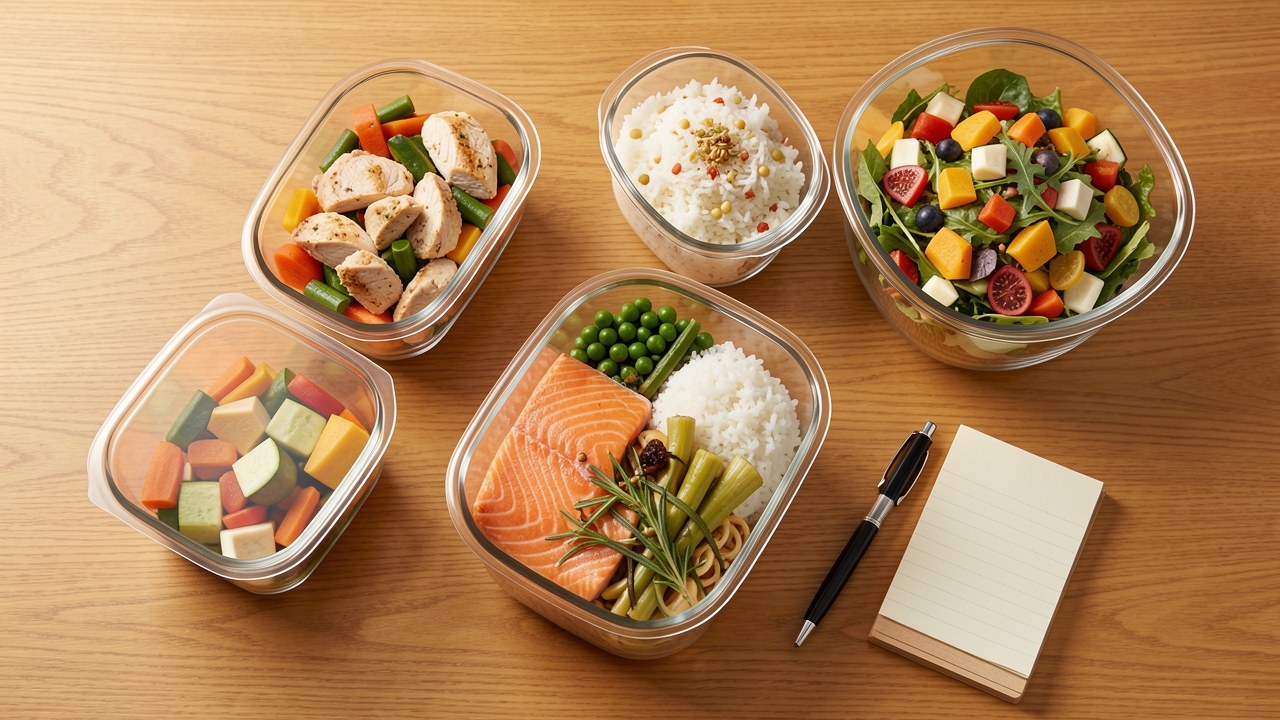
Designing a meal plan around your fasting window
Intermittent fasting is not a diet but an eating pattern that alternates between periods of eating and fasting. The most effective plan is one you can sustain without feeling deprived and that fits your lifestyle. Focus on when you eat and what you eat during your eating windows.
A common approach is 16:8 time-restricted eating, where you fast for 16 hours and eat within an 8-hour window, such as from noon to 8 p.m. During fasting periods, water and zero-calorie beverages like black coffee and tea are allowed.
When structuring meals, prioritize protein, fiber-rich carbohydrates, and healthy fats to support satiety and steady energy. Some meal plans suggest a target of about 25-35 grams of protein per meal, but individual needs vary based on body size, activity, and goals.
- Pick a fasting window that fits your daily routine and stick to it consistently.
- Within your eating window, plan balanced meals that include protein, vegetables, whole grains, and healthy fats.
- Stay hydrated with water and calorie-free drinks during fasting hours.
- Allow your body two to four weeks to adapt; hunger and irritability often improve after that period.
Sources: Clean Eatz Kitchen, Berry Street, Johns Hopkins Medicine
Sample day for 16:8 time-restricted eating
For a 16:8 schedule with an eating window from 12:00 p.m. to 8:00 p.m., you might structure your meals as a first meal, a snack, and dinner. Here is an example of a balanced day.
- First meal (around noon): Grilled chicken salad with quinoa, mixed greens, avocado, and a light vinaigrette.
- Snack (around 3:30 p.m.): Greek yogurt with almonds and berries.
- Dinner (around 7:00 p.m.): Salmon with roasted sweet potatoes and broccoli.
Sources: Clean Eatz Kitchen, Berry Street
Sample fasting-day meals for 5:2
The 5:2 approach involves eating normally for five days a week and limiting yourself to one 500-600 calorie meal on the other two days. Those fasting days should be non-consecutive, such as Monday and Thursday.
A sample fasting-day meal might be a protein-rich salad with grilled chicken, mixed greens, and a small portion of quinoa, keeping the total calorie count within the 500-600 calorie range. On non-fasting days, eat regular balanced meals, but avoid overcompensating for the previous fasting day.
Sources: Johns Hopkins Medicine
Sample structure for alternate-day fasting
Alternate-day fasting typically involves fasting every other day. Research shows that this pattern may lead to weight loss, but it was not more effective than daily calorie restriction in a one-year trial of obese individuals. Because alternate-day fasting can be more challenging, a practical approach is to consume a small meal (around 500 calories) on fasting days, then eat normally on non-fasting days.
On non-fasting days, aim for balanced meals with lean proteins, whole grains, and plenty of vegetables. Stop eating at a consistent time to establish a routine. Some people prefer to modify alternate-day fasting to a modified version where they eat very little on fasting days rather than nothing at all.
Sources: PMC / National Institutes of Health, Harvard T.H. Chan School of Public Health
Adapting plans for vegetarian, vegan, or other patterns
You can adapt any intermittent fasting plan to a vegetarian or vegan diet by replacing animal proteins with plant-based sources. Beans, lentils, tofu, and tempeh provide protein; quinoa and whole grains supply fiber; and nuts, seeds, and avocados offer healthy fats.
Whatever dietary pattern you follow, the same principles apply: center each meal on protein and fiber, and include healthy fats to promote satiety. For example, a vegan 16:8 day might include a lunch of tofu Buddha bowl with quinoa and vegetables, a snack of hummus with carrot sticks, and a dinner of lentil curry with brown rice.
- For vegetarians: eggs, Greek yogurt, and cottage cheese are protein options.
- For vegans: tofu, tempeh, lentils, chickpeas, and edamame are rich in protein.
- Individual nutrient needs vary; some vegans may benefit from monitoring iron and vitamin B12 with professional guidance.
- Adjust portion sizes based on hunger and activity level.
Sources: Clean Eatz Kitchen, Berry Street
Balancing meals for satiety and nutrient density
To feel satisfied between meals, include enough protein, fiber, and healthy fats. Protein helps preserve muscle and promotes fullness; fiber slows digestion and stabilizes blood sugar; fats add flavor and satiety.
A practical guide is to fill half your plate with non-starchy vegetables, a quarter with protein, and a quarter with whole grains or starchy vegetables. Add a small amount of healthy fat, such as olive oil, nuts, or avocado. This pattern supports overall nutrient density and helps you meet your needs without excessive calories.
Remember that intermittent fasting does not automatically mean you can eat anything during the eating window. Quality matters: prioritize vegetables, fruits, whole grains, lean proteins, and healthy fats, and limit processed foods high in sugar and refined grains.
Sources: Clean Eatz Kitchen, Berry Street
Strategies for eating out and social occasions
You can maintain your fasting schedule while dining out. If your eating window starts later, plan to order a meal with protein and vegetables rather than snacking on bread or appetizers. Many restaurants offer grilled fish, salads with chicken, or vegetable-based entrees.
For social events, you might adjust your fasting window to accommodate a later meal, as long as you still fast for the intended duration. For example, if you are attending a dinner party, you could extend your eating window slightly that day and fast for the same total number of hours starting the next day. The key is consistency and flexibility that does not lead to constant deprivation.
- Review menus online in advance and choose protein-forward options.
- Ask for dressings and sauces on the side.
- Drink water or sparkling water to stay hydrated and help manage hunger.
- If you skip a meal due to fasting, focus on making your next meal balanced and satisfying.
Sources: Clean Eatz Kitchen, Berry Street
Frequently asked questions
Should I count calories on intermittent fasting?
Counting calories is not required, but it can be helpful for weight management. Research shows that intermittent fasting is not more effective than traditional calorie restriction for weight loss, so the total calories you consume still matter. Using a calorie-tracking app or being mindful of portion sizes can help you stay within your energy needs.
Sources: Harvard T.H. Chan School of Public HealthHow many calories should I eat in my eating window?
Calorie needs vary widely by age, sex, weight, and activity level. For personalized guidance, consult a registered dietitian who can help you determine an appropriate calorie target based on your goals and health status.
What if I get hungry before my eating window opens?
It is common to feel hungry, especially during the first two to four weeks as your body adapts. Drinking water, black coffee, or tea can help. You can also adjust your eating window earlier—for example, from 10 a.m. to 6 p.m.—if it fits your schedule. Ensure your meals are satisfying, with enough protein and fiber to keep you full longer.
Sources: Johns Hopkins MedicineCan I adjust a plan for night shifts?
Yes, you can align your fasting and eating windows with your work schedule. Instead of following a typical daytime routine, you can set your eating window to cover the hours you are awake and need energy. For example, if you work overnight, you might fast during the early night and eat during a window that includes a meal before your shift and a meal after. The key is to maintain a consistent cycle that works for you.
Sources
- INTERMITTENT FASTING AND HUMAN METABOLIC HEALTH - PMC — PMC / National Institutes of Health
- Diet Review: Intermittent Fasting for Weight Loss — Harvard T.H. Chan School of Public Health
- Intermittent Fasting: What Is It, And How Does It Work? — Johns Hopkins Medicine
- 16/8 Intermittent Fasting Meal Plan: 7-Day Guide - Clean Eatz Kitchen — Clean Eatz Kitchen
- Intermittent Fasting Diet Plan: 7-Day Meal Guide - Berry Street — Berry Street