Why food quality matters in intermittent fasting
Intermittent fasting is a pattern of eating that alternates between periods of fasting and eating. While the timing of meals is important, what you eat during your eating window also matters. Intermittent fasting is not about eating whatever you want during eating windows; your food choices significantly influence how you feel and whether you achieve health and weight goals.
Choosing nutrient-dense, minimally processed foods can help you feel fuller longer, maintain stable energy, and provide the vitamins and minerals your body needs. The U.S. dietary guidelines recommend a diet rich in fruits, vegetables, and whole grains. During eating windows, a balance of lean protein, vegetables, fruits, healthy carbohydrates, whole grains, and healthy fats is recommended.
Sources: Healthline, MyFitnessPal Blog, U.S. News & World Report, NIH MedlinePlus Magazine
Key nutrients to prioritize in eating windows
Each macronutrient plays a role in supporting your fasting efforts. Prioritizing protein, fiber, and healthy fats can help stabilize blood sugar and promote satiety.
Lean proteins, such as chicken, fish, tofu, and legumes, help keep you full and preserve lean muscle mass during periods of reduced caloric intake. Protein is often considered the most satiating macronutrient because it slows digestion and helps manage hunger. Aim for a practical target of at least 25–30 grams of protein per meal for many adults.
Fiber-rich foods, including vegetables, fruits, and whole grains, provide essential vitamins, minerals, and water. Whole grains, such as oats, brown rice, and quinoa, are a cornerstone because they provide long-lasting energy and keep hunger at bay far longer than refined carbohydrates.
Healthy fats, like those from avocado, nuts, seeds, olive oil, and fatty fish, help you stay full and provide stable energy. Omega-3 fatty acids from oily fish are beneficial for heart health.
Sources: Healthline, MyFitnessPal Blog, Superpower
balanced meal structures
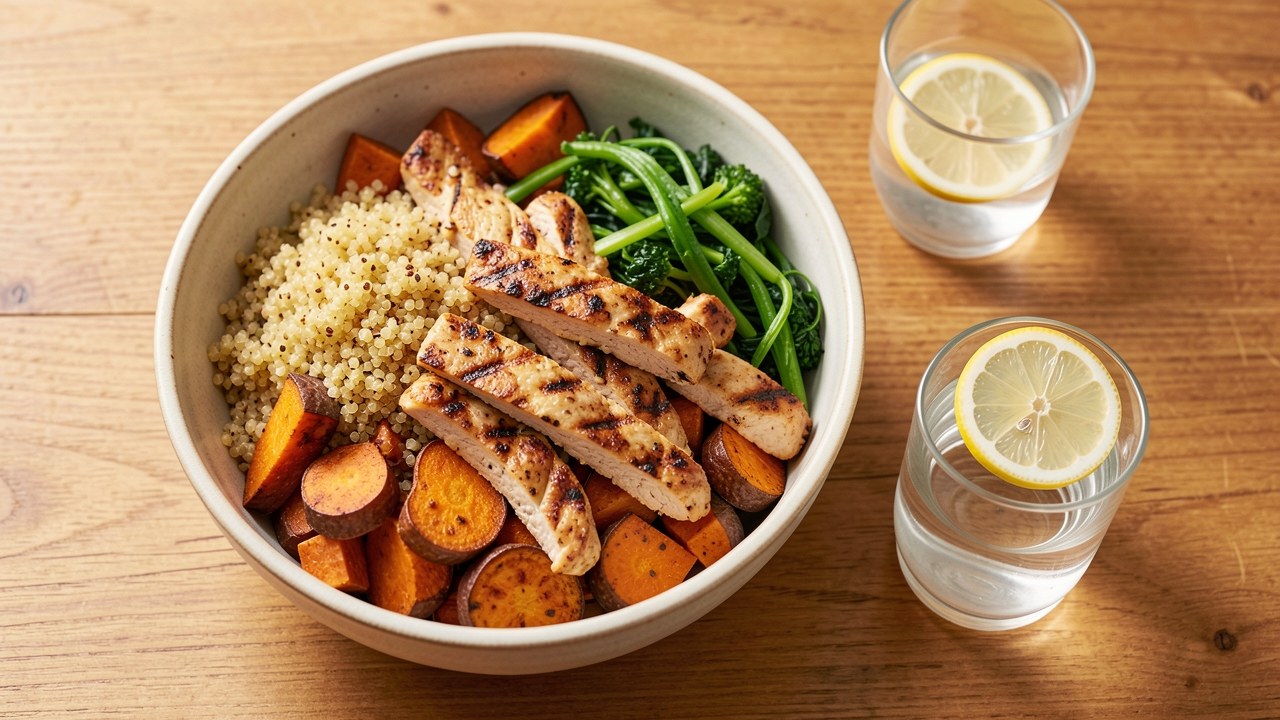
To build satisfying meals, combine a source of lean protein, vegetables, fruits, whole grains, and healthy fats. This balance helps keep you full and supports overall health. For example, a meal could include grilled chicken breast, a large salad with olive oil, and a side of quinoa.
When breaking a fast, it is best to start with a small mixed meal that contains protein and fiber and is low in added sugars and saturated fats. This approach may help avoid digestive discomfort and support satiety. A high-sugar or refined-carbohydrate first meal could trigger a larger insulin response, which may lead to a rapid drop in blood sugar and increased hunger shortly after eating.
- Start your meal with a serving of vegetables for fiber and volume.
- Add a palm-sized portion of lean protein, such as chicken, fish, or tofu.
- Include a serving of whole grains, such as brown rice, oats, or quinoa.
- Finish with a small amount of healthy fat, like avocado, nuts, or olive oil.
Sources: MyFitnessPal Blog, Superpower, Struesli
Foods and drinks to limit or avoid
Certain foods and beverages can undermine your efforts. Ultra-processed foods, sugary drinks, pastries, white bread, and deep-fried items can lead to energy crashes and increased hunger. These foods may also counteract the metabolic benefits of intermittent fasting.
During your eating window, it is best to minimize added sugars and refined carbohydrates. Instead, choose whole, minimally processed options that nourish your body.
- Limit sugary drinks, including soda, sweetened teas, and fruit juices.
- Avoid pastries, white bread, and other refined-grain products.
- Limit deep-fried foods and processed snacks high in unhealthy fats.
Sources: Healthline, MyFitnessPal Blog, Superpower
Sample eating window patterns for different methods
The principles of nutritious eating apply across all intermittent fasting methods, but the structure of your eating window can vary. Here are general patterns for common approaches; adjust portion sizes to meet your individual energy needs.
| Method | Eating window | Sample meal structure |
|---|---|---|
| 16:8 | 8 hours, e.g., 12pm-8pm | Two to three meals: a balanced lunch, a snack, and a balanced dinner |
| 5:2 | Two non-consecutive days of restricted intake (about 500-600 calories) | On restricted days: small meals with protein and vegetables, e.g., a salad with chicken |
| Alternate-day fasting | Every other day, sometimes with a very low-calorie day | On eating days: focus on nutrient-dense foods; on fasting days, if consuming some calories, choose protein and vegetables |
Sources: Healthline, WebMD
Hydration and fasting-safe beverages
Staying hydrated is essential. Water is always a good choice, and during the fasting period, calorie-free beverages like black coffee and unsweetened tea are allowed and can help control appetite and maintain hydration.
If you fast for more than 16 hours, consider electrolyte intake in addition to water. Be mindful that some flavored waters may contain artificial sweeteners; evidence on their effects during fasting is limited. To stay on the safe side, choose plain water, sparkling water, or unsweetened tea and coffee.
During the eating window, continue to drink fluids. Herbal teas and water-rich foods like fruits and vegetables also contribute to hydration.
Sources: Healthline, Superpower, Struesli
Common questions about food choices
Many people wonder how to handle cravings, what to eat first after a fast, and how to balance social occasions. The following pointers can help you navigate common situations.
- If you feel hungry after a meal, check that your plate includes enough protein and fiber; those nutrients help extend fullness.
- Plan your first meal of the eating window ahead of time to avoid impulsive, less nutritious choices.
- For special events, aim to enjoy the occasion while including vegetables, protein, and whole grains when possible.
Sources: MyFitnessPal Blog
Frequently asked questions
Can I eat whatever I want during my eating window and still see results?
No. Your food choices matter. Eating nutrient-dense foods like vegetables, lean proteins, and whole grains can support satiety and energy, while ultra-processed foods and sugary drinks may lead to energy crashes and increased hunger. The overall quality of your diet influences how well you feel and whether you meet your health and weight goals.
Sources: MyFitnessPal BlogWhat should my first meal after a fast include?
It is best to start with a small mixed meal that contains protein and fiber and is low in added sugars and saturated fats. This approach may help avoid digestive discomfort and support satiety. For example, a salad with grilled chicken and quinoa or a vegetable omelet with whole-grain toast. Avoiding a high-sugar or refined-carbohydrate first meal is recommended because it may cause a larger insulin response and lead to increased hunger soon after eating.
Sources: Superpower, StruesliCan I drink coffee or tea while fasting?
Yes, during the fasting period you can drink calorie-free beverages like black coffee and unsweetened tea. These can help control appetite and maintain hydration. Avoid adding sugar, cream, or milk, as those would break your fast. Stick to plain coffee or tea when possible.
Sources: Healthline, StruesliHow much protein should I aim for in each meal?
A practical target for many adults is at least 25–30 grams of protein per meal. This can help with satiety and muscle preservation during weight management. Adjust this amount based on your individual needs and overall calorie intake.
Sources: SuperpowerSources
- 16/8 Intermittent Fasting: Getting Started - Healthline — Healthline
- Intermittent Fasting? Here Are the Foods Dietitians Want You to Prioritize — MyFitnessPal Blog
- Intermittent Fasting Food List: What to Eat and Avoid — Superpower
- Healthy Ways to Break Your Fast: A Guide to Intermittent Fasting — Struesli
- What Is Intermittent Fasting? Methods, Benefits, and Care - WebMD — WebMD
- Foods to Eat During Intermittent Fasting (and What to Avoid) — U.S. News & World Report
- 5 questions about intermittent fasting | NIH MedlinePlus Magazine — NIH MedlinePlus Magazine